Ipswich High School – Miss Ransford – Headmistress 1919-1925
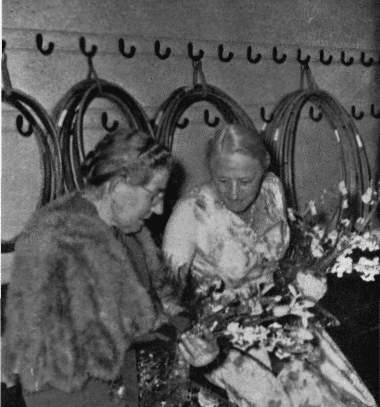
By Miss Naomi Limer, Head of English
Miss Ella Ransford B.A. Mediaeval & Modern Languages Tripos, was chosen to succeed Miss Gale as Headmistress and came into office in September 1919. She was a relatively young woman at the time, being only 35 years of age when she left the Belvedere Academy in Liverpool to become the fourth Headmistress of Ipswich High School.
Miss Ransford was a dynamic woman who was keen to ensure the school retained its progressive nature and she soon introduced a trial of the Dalton Plan, a cutting-edge educational approach introduced to the UK in 1920 whereby pupils worked independently on project-based tasks in each of their subjects with limited instruction from the supervising teachers. Pupils were responsible for creating their own timetables and allocating sufficient time to each subject. Intended to engender independence and high standards of moral, physical, intellectual, and spiritual development, the plan allowed students to work at their own pace and fully master a topic before moving on to the next stage of learning. Whilst the Dalton Plan was not permanently adopted at Ipswich (much to the apparent relief of pupils at the time), the willingness to experiment with innovative approaches to learning demonstrated the pioneering attitude of Miss Ransford.
Miss Ransford also obtained the sanction of the Board of Education for an Advanced Course in Modern Studies and thus expanded the teaching of English, French and History. By 1921 the school population had increased to 380, and despite acquiring adjoining buildings in Westerfield Road in 1920, space was tight. The prep and junior school moved into its own building, known for the rest of its time as ‘Junior House’ and this enabled a permanent library and staff common room for the senior school. In addition to this, the science laboratories were expanded.
Being a proficient sportswoman, Miss Ransford started a staff gym class and shocked the second mistress by wearing a games tunic in public. In a letter to the school many years after she left, Miss Ransford wrote that in her early days Miss Peecock was “aghast” that she should be seen walking to the secluded field behind the school for a match in her sports dress. Recalled with amusement, Miss Ransford assured her readers that she later formed a great friendship with Miss Peecock.
Old Girls recollected a cultural trip to Paris with Miss Ransford as an extraordinary opportunity for its time. Over a fortnight, the girls visited numerous museums and places of interest, taking in theatre, opera, and attending lessons at the Lycée Moliere. Given that WW1 was still in recent memory, and its aftermath surely still felt, the trip served to be what one termed ‘the best holiday of a lifetime’.
Sadly for students, staff and the Headmistress herself, the school’s Trust decided that Miss Ransford must transfer to Croydon High School for Girls, one of the largest girls’ schools within London and the GPDSC in 1925. All were reluctant to see her leave and she retained a close connection to the school, writing regularly over the ensuing decades and visiting whenever the occasion allowed. Her kindness, vitality, and democratic principles were much missed, as was her striking sense of dress.
Miss Ransford’s death was announced at the Old Girls’ commemoration of the school’s 90th birthday in 1968. Those gathered were deeply saddened by the announcement and recognised her lasting impact as being out of proportion to the relatively short five and a half years of her tenure.